We often talk about sustainable use of the natural resources that we have here in Northern Norway. By that we mean using these resources without destroying the environment, or impairing the ability of future generations to meet their needs. It is about limiting the extraction of what nature can reproduce.
As actors in the tourism, we have a special responsibility for this and we have long lived by the motto “leave no trace in nature”, whether on land, in the water or in the mountains. We believe the time is ripe to think a step further and this is where the idea of “Regenerative Tourism” starts. This is one of the Government’s goals: “Regenerative tourism is about leaving a destination in a better condition than when you arrived. The goal is to rebuild ecosystems and strengthen local communities by making tourism a positive contribution, rather than just minimizing damage”.
In collaboration with Explore the Arctic, we now have started 3 projects based on this:
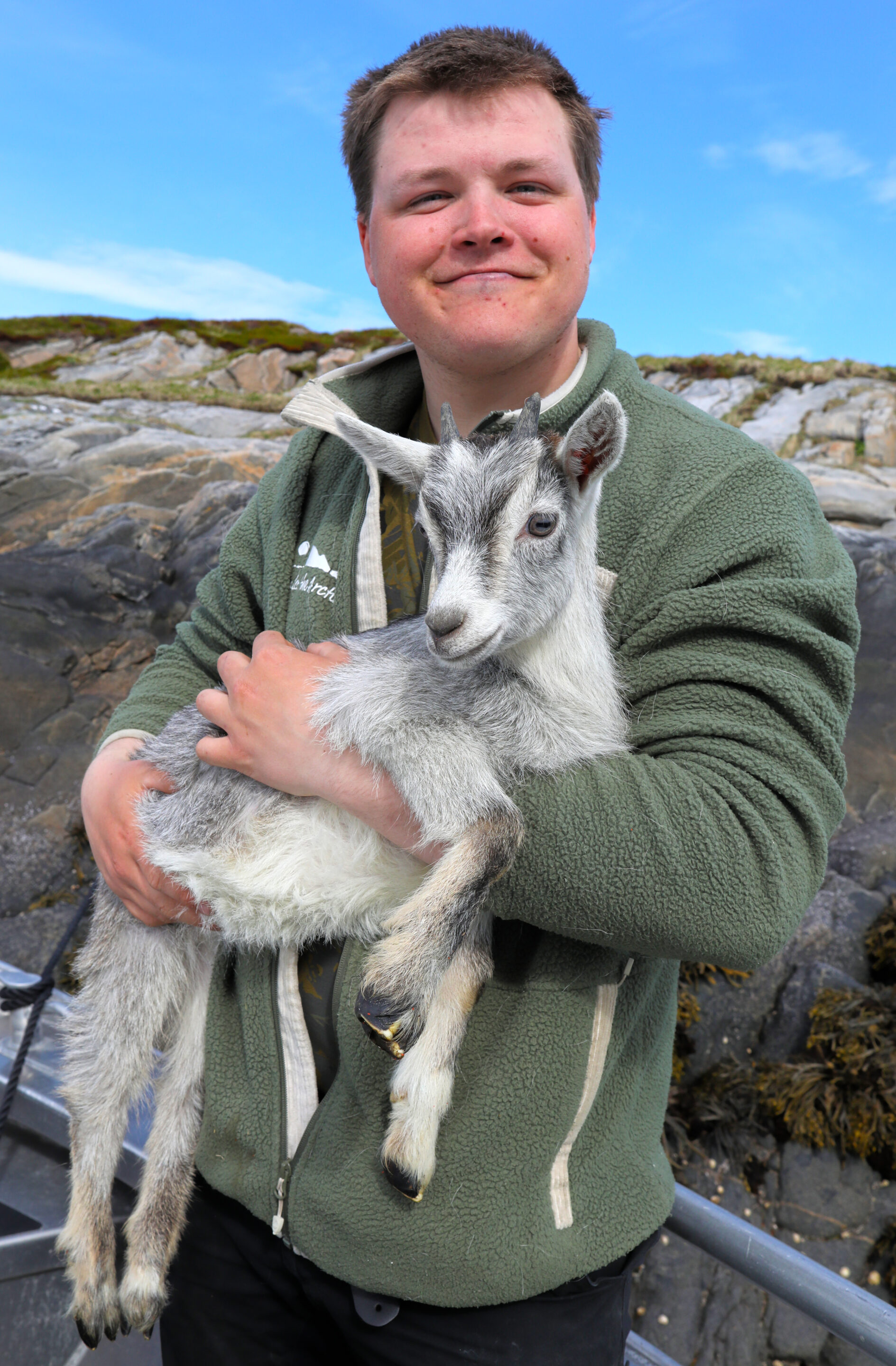
- Organizing goats on islands to keep the coastal landscape open
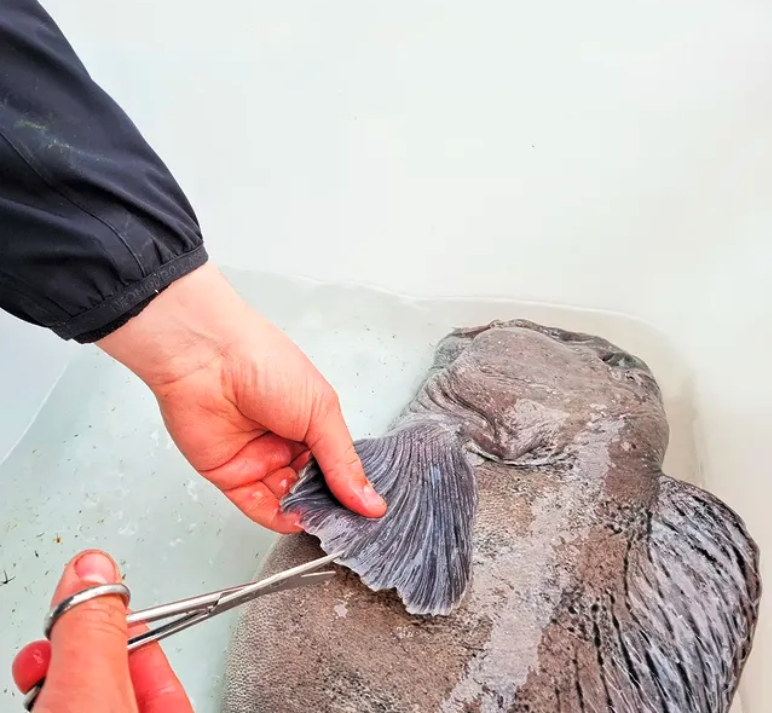
- Tagging wolffish in collaboration with marine research companies
- Sea urchin project
1. District Norway is many places overgrown, as there are no longer animals that naturally graze in the outback. Sheep, goats and cows used to graze along the entire fjord, which naturally kept the vegetation down, but when agriculture is closed down, it gets overgrown. That is why we are facilitating goats that graze down the vegetation on the islands, while at the same time they are creating a cozy atmosphere.
2. Akvaplan-niva has a project where they are researching the wolffish habitat and population. The fishing guides help by collecting samples from the wolffish’s, which sends to the laboratory. In this way, we want to contribute to increased knowledge, which in the long term can help the wolffish to re-establish a sustainable population here in the fjord.
3.Over the past decades, large areas along the Norwegian coast have been transformed into so-called “sea urchin barrens,” where the seabed is dominated by the green sea urchin (Strongylocentrotus droebachiensis). This development has led to a significant decline in biodiversity and productivity. We have therefore started a project using traps, where our guests take part in sea urchin removal . We have built the traps ourselves, and initial results have been promising, with catches of approximately 50–150 sea urchins per trap. The aim of the project is to help restore ecological balance in Kattfjorden by reducing the sea urchin population so that kelp forests can re-establish themselves. This is expected to contribute to the restoration of a functioning coastal ecosystem, increased biodiversity, and stronger fish stocks, particularly coastal cod, by recreating important nursery habitats.